Building a attractive landscape that protects water is vital in today’s world where environmentally-conscious gardening and sustainability are key concerns. Water-efficient landscape design strategies not only decrease water consumption but also cut utility bills, enhance soil health, and sustain local ecosystems. Whether you're a homeowner, landscape designer, or an sustainable gardener, grasping these effective strategies can convert your outdoor space into a water-wise retreat.
Introduction to Water-Efficient Landscape Design
Water-efficient landscaping, often referred to as xeriscaping, is the practice of designing outdoor environments to limit water usage while maintaining beauty and plant health. This technique is crucial in addressing water scarcity, decreasing groundwater depletion, and limiting runoff pollution. By integrating drought-tolerant plants, efficient irrigation systems, and smart design principles, water-efficient landscapes contribute significantly to environmental sustainability.
Advantages of saving water through effective landscape design include decreased water bills for homeowners, improved drought resilience, and a smaller environmental footprint. Moreover, xeriscaping supports biodiversity and helps support ecological balance by favoring native flora and fauna.

Core Principles of Water-Efficient Landscape Design
Efficient water-wise landscaping starts with a combination of solid design principles that focus on soil health, plant selection, irrigation efficiency, and landscape contouring. These principles operate to improve water retention and reduce waste.
- Soil Amendments: Enhancing soil texture and fertility enhances water retention and nutrient availability. Plant Selection: Picking native, drought-tolerant, and xeric plants lowers the requirement of supplemental watering. Advanced Irrigation: Implementing drip emitters, moisture sensors, and weather-based controllers boosts water usage efficiency. Landscape Grading: Proper grading channels water runoff to planting zones, enhancing absorption. Mulch Application: Mulching lowers evaporation, balances soil temperature, and increases moisture retention.
Understanding Soil and Water Retention
Soil texture greatly influences how much water your landscape retains. Sandy soils allow rapid drainage, while clay soils hold water longer but may risk poor aeration. Incorporating organic matter such as compost boosts soil structure, promoting both water-holding capacity and aeration.
Organic mulch not only retains soil moisture but also reduces weeds that use up water. Slow-release fertilizers offer nutrients steadily without overloading the plants, encouraging healthy root development and optimal water uptake.
Plant Selection for Water Efficiency
Selecting the right plants is critical to water-efficient landscaping. Native plants are adapted to local climates and typically require less watering and maintenance. Drought-tolerant plants, including many cacti and succulents, succeed in arid conditions thanks to their specialized root systems and water-storing tissues.
Plant ground covers and water-conserving shrubs that reduce soil exposure and evaporation. Consider root depth when selecting plants; deeper roots allow vegetation to draw moisture from lower soil layers, boosting drought resilience. Grouping plants by water needs—known as landscape zoning—also preserves water by modifying irrigation accordingly.
Efficient Irrigation Techniques
Efficient watering is key to cutting down on water consumption in any landscape. Drip irrigation systems supply water directly to the root zones via drip emitters, reducing evaporation and runoff versus traditional sprinklers. Utilizing efficient sprinkler heads made for targeted coverage moreover maximizes water distribution.
Cutting-edge technologies including weather-based irrigation controllers modify watering schedules according to real-time climate data, avoiding overwatering. Soil moisture monitoring devices and moisture sensors assist in determining specific irrigation needs, facilitating deep watering practices that support robust root growth.
Seasonal watering schedules confirm plants receive the adequate amount of water throughout the year, factoring in changing weather patterns and evapotranspiration rates. Water-saving valves and pressure regulators reduce leaks and excess flow, increasing system efficiency.
Landscape Design Strategies to Conserve Water
Using thoughtful design elements can substantially improve water conservation within your landscape. Rainwater harvesting via rain barrels stores stormwater for irrigation, decreasing reliance on municipal supplies. Greywater reuse recycles gently used household water, such as sinks or showers, for landscape use, additionally lowering water consumption.
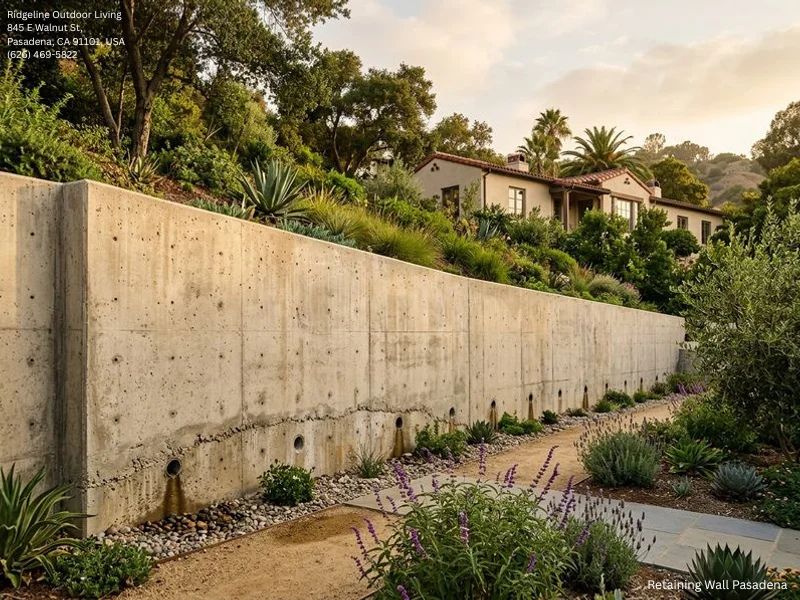
Rain gardens and swales hold and infiltrate runoff, reducing erosion and replenishing groundwater. Bio-retention areas filter pollutants naturally while supporting water absorption. Pocket gardens and basin planting direct water around specific plants, enhancing hardscaping tips usage.
Contour planting and landscape zoning take advantage of natural land slopes and microclimates, channeling water optimally and arranging plants with similar requirements. Consider sun exposure and include shade trees or windbreaks to get rid of evaporation stress on plants. A healthy tree canopy creates cooler microclimates lowering water demand in surrounding areas.
Employ permeable pavements to enable water infiltration rather than runoff, and replace traditional lawns with drought-resistant lawn alternatives or desert landscaping techniques to significantly reduce irrigation needs.
Maintenance Practices for Long-Lasting Water Conservation
Continuous maintenance ensures your water-efficient landscape remains functional over time. Periodic mulching replenishment retains moisture and suppresses weeds. Water budgeting entails measuring water use and modifying irrigation based on plant development phases and seasonal conditions.
Regulating soil moisture through periodic soil aeration enables roots access water and nutrients more effectively. Compost amendment enhances soil fertility and structure, enhancing water retention potential. These maintenance steps sustain the long-term health and sustainability of your landscape.
Innovative Technologies in Water-Efficient Landscaping
Developing technologies are revolutionizing water conservation in residential landscape contractors landscaping. Weather-based irrigation controllers automatically regulate watering schedules based on temperature, rainfall, and evapotranspiration, reducing both under- and overwatering.
Automated soil moisture monitoring systems regularly measure soil conditions, switching irrigation systems on or off as needed for ideal hydration. Smart irrigation valves offer remote control and precise water flow regulation, working seamlessly with smart home or garden systems for ease and efficiency.
Environmental and Economic Benefits of Water-Efficient Landscaping
Using water-efficient landscaping strategies provides substantial environmental and financial advantages. Reduced water consumption lowers monthly water bills, easing economic burdens on homeowners and municipalities alike. Landscapes built for drought resilience better endure water restrictions and dry spells, supporting year-round plant health.
Water-wise gardens increase property values by raising curb appeal and showing sustainable stewardship. Ecologically, these landscapes support local wildlife, reduce urban heat islands, and protect healthier soil and water cycles, contributing to broader environmental health.
Frequently Asked Questions (FAQs)
- Describe water-efficient landscape design?It is the approach of creating outdoor spaces that conserve water use through plant selection, soil management, and efficient irrigation. How can xeriscaping contribute to reduce water?Xeriscaping employs drought-tolerant plants and water-smart techniques to significantly reduce irrigation needs. Which native plants are best for drought-prone areas? Plants such as lavender, sage, yucca, and certain ornamental grasses thrive in dry conditions. How frequently should I irrigate my water-wise garden?Water needs depend on plant type and season but generally emphasize deep, infrequent watering for root development. May I use greywater for irrigation safely?Yes, with proper treatment and regulations complied with, greywater can be a sustainable irrigation source. Why choose drip irrigation over sprinklers?Drip irrigation supplies water efficiently to plant roots with minimal evaporation and runoff. In what way does mulching increase water retention in soil?Mulch decreases evaporation, protects soil temperature, and reduces weed growth. What care routines maintain my landscape water-efficient year-round?Regular mulching, water budgeting, compost replenishment, and soil aeration are essential. What rebates or incentives are available for installing water-efficient landscapes?Many local governments and utilities grant rebates for water-efficient irrigation and landscaping installations. Methods to control water runoff in my yard?Use rain gardens, swales, contour planting, and permeable pavements to enhance water infiltration.
Ridgeline Outdoor Living
Ridgeline Outdoor Living is a Pasadena-based landscape design-build company serving Greater Los Angeles with custom outdoor living, hardscape, and drought-tolerant landscape solutions. The company specializes in patios, retaining walls, outdoor kitchens, drainage, hillside projects, and turnkey landscape construction, handling projects from design and permitting through final build and warranty.
Address:
845 E Walnut St,
Pasadena,
CA
91101,
United States
Phone: (626) 469-5822
Map: View on Google Maps
Business Hours:
- Monday – Saturday: 8:00 AM – 6:00 PM
- Sunday: Closed
Follow Us: