Developing a beautiful, practical landscape in a tiny garden can be both rewarding and tough. With small dimensions, it’s vital to use smart design principles that make the most of every inch without cluttering. Whether you’re a resident or tenant, learning how to integrate beauty with practicality through intentional garden plan, plant picking, and innovative hardscape features can turn your tiny garden into a peaceful retreat. This guide examines tested strategies to help you create your limited yard efficiently in 2025.
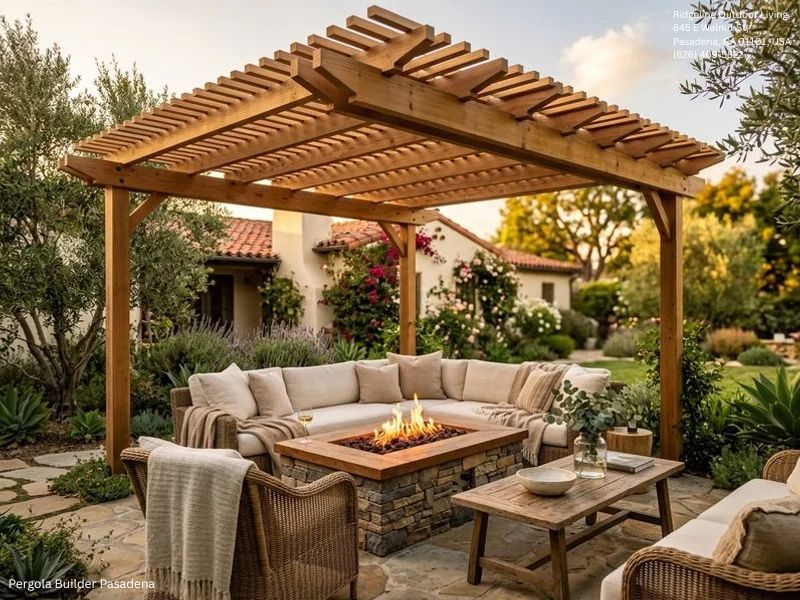
Which Are the Main Principles of Compact Yard Landscaping?
Developing a small yard demands a blend between space-efficient strategies and attractiveness. The main concepts focus on maximizing usable space while building an inviting ambience that is simple to care for.
- Streamlined Landscaping: Reduce busy appearance by applying clean, defined edges and reducing the diversity of flora and materials to build a harmonious style. Area Zoning: Establish particular spaces such as seating, planting, and walkways to manage the garden optimally and ensure each section has a specific function within the confined area. Color Palette Choices: Select a coordinated and restrained color palette to bind the space and visually expand it. Light green shades, soft hues, and uniform color schemes often are effective to enhance the perception of size. Vertical Gardens and Pots: Add vertical gardening approaches and container plants to reduce ground space while bringing layers of greenery and texture at different heights. Careful Garden Arrangement: Organize the placement of modular furniture, compact shrubs, and other elements meticulously to ensure smoothness and limit crowding.
Applying these guidelines, you can design a small garden that appears large, well-arranged, and beautiful.
How to Growing Vertically and Using Containers Enhance Limited Outdoor Spaces?
Container plants and vertical gardening are among the best techniques for improving tiny yards without compromising space.
- Growing Upwards: Using walls, fences, trellises, or freestanding structures enables you to raise vines, herbs, or blossoms higher, making use of vertical surfaces for rich, functional greenery. Container Gardening and Boxes: These add versatility by allowing plant mobility, arrange them by seasonal or thematic groupings, and bring plants to areas without soil planting. Seclusion and Aesthetic Charm: Climbing plants and potted saplings on trellises can form organic privacy screens that minimize fences and boost seclusion. Eye-Level Highlights: Flowering vines, aromatic plants, and bonsai in containers bring interest at sight level, boosting the senses without occupying floor space. Handy Herb Gardens: Towering herb gardens near dining or cooking spaces provide fresh herbs within arm's length.
These methods enable multiplying your planting space upwards while keeping the ground area open for paths and seats.
Which Plants Are Ideal for Small Gardens?
Choosing optimal plants makes small gardens look balanced, manageable, and beautiful in every season.
- Dwarf Shrubs and Small Trees: These provide structure and height without overwhelming the space, ideal for framing garden edges or creating focal points. Low-Growing Plants: Use ground covers to suppress weeds, prevent soil erosion, and add texture and color contrast in limited areas. Shade-Tolerant Plants: Suitable for cool shadowed areas below trees or covered patios, giving richness without sunlight needs. Succulent Gardens and Native Plants: Succulents endure dry environments with low care demands; native species encourage sustainability and adapt easily. Periodical Flowers and Native Wildflowers: Adding seasonal colors invites pollinators, boosting biodiversity and liveliness. Perfumed Plants: Positioning aromatic herbs or blossoms close to seating boosts sensory pleasure.
Picking plants offering varied textures, shades, and sizes with similar maintenance results in a stable, vibrant small garden.
How to Incorporate Hardscape Elements to Enhance Usability and Aesthetics?
Hardscaping provides the structural backbone of your landscape, combining function and beauty to define spaces and improve usability.
- Patios Using Permeable Pavers: Using permeable pavers permits water seepage, lowers runoff, and fits sustainable garden practices. Garden Pathways: Decorative stones, mulch, or permeable pavers guide movement through the yard and make the space feel larger by extending sightlines. Raised Beds: Excellent for boosting soil fertility and reachability, raised beds expand planting area while retaining tidy borders. Edging: Clear edging materials retain mulch, stones, and soil unmoved, lending order and organization to garden beds and pathways. Garden Fence and Privacy Screens: These features mark boundaries, enhance privacy, and function as backdrops for climbing plants and garden art. Landscape Fabric: Under mulch or decorative stones, landscape fabric stops weed growth, cutting maintenance effort. Garden Benches and Seating Areas: Well-located seating invites relaxation and socializing.
Careful integration of hardscape and softscape components improves both the visual appeal and landscaping companies Pasadena CA practicality of your small outdoor space.
How to Design Multifunctional Seating and Social Areas in Small Yards?
Establishing comfortable, adaptable seating zones in a limited space demands smart design and furniture choices that support multiple uses.
- Modular Furniture: Pieces that can be moved offer flexibility to serve intimate gatherings or solo relaxation while maximizing limited space. Built-in Benches with Storage: Uniting seating with hidden storage organizes the yard and offers practical convenience. Position Near Garden Art or Water Features: Seating adjacent to focal points like sculptures or small fountains enhances ambiance and attracts visitors outdoors. Defined Social Zones: Using garden zoning to assign compact social areas ensures clear purpose and flow without crowding. Incorporate Small Lawns or Soft Surfaces: Close soft areas invite play, relaxation, or exercise in close proximity to seating.
These multifunctional design tactics help your small garden function as a dynamic extension of your living space.
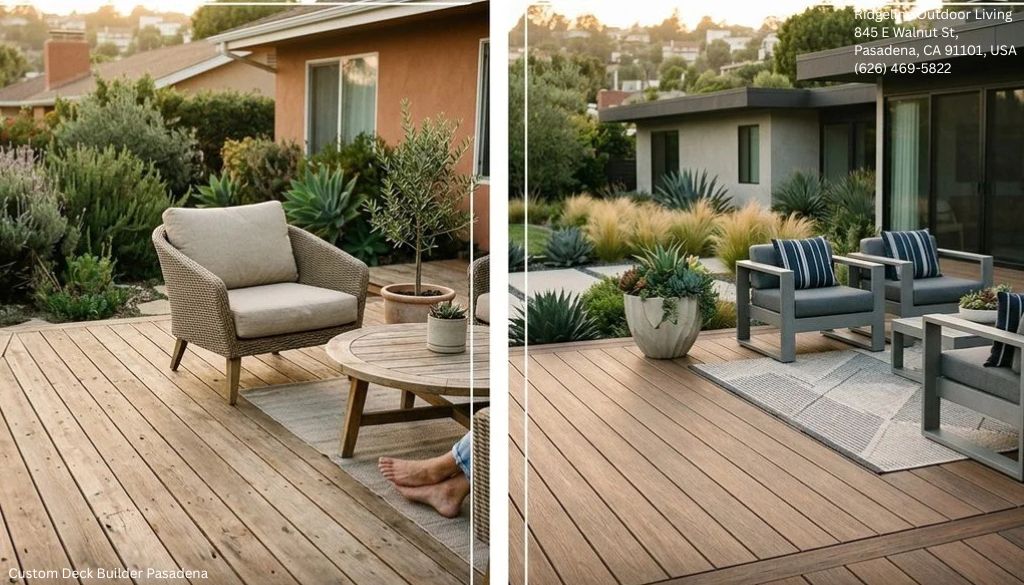
What Sustainable and Low-Maintenance Landscaping Techniques Suit Small Yards?
Sustainable landscaping in small yards minimizes environmental impact while ensuring upkeep manageable.
- Native and Drought-Resistant Plants: Selecting sustainable plants reduces watering, fertilizer use, and pest control. Drip Irrigation Systems: Targeted watering saves water and helps healthier plants with less waste. Mulch Types Like Bark or Gravel: Mulching maintains moisture, reduces weeds, and enhances soil structure. Rain Gardens: Building rain gardens directs runoff organically and enriches wildlife habitats. Soil Improvement Through Composting: Enriching soil ecologically strengthens plant health and resilience. Solar Lights: Energy-efficient lighting increases outdoor usability without boosting electric costs.
With these sustainable methods, your small garden is kept flourishing, environmentally conscious, and easy to maintain year-round.
How to Increase Privacy and Form a Sense of Enclosure in Small Yards?
Privacy transforms a small garden from an open area into a calm sanctuary.
- Privacy Screens with Climbing Vines: Merging architectural screens with vines blurs boundaries and forms green walls. Tall Compact Shrubs and Potted Trees: These function as natural dividers without dominating spatial constraints. Garden Fences: Traditional fencing delivers physical demarcation and a backdrop for plants and artwork. Layered Vegetation: Planting in layers introduces depth and screens sightlines delicately and attractively.
Mixing varied materials and plants creates privacy without losing openness and charm.
How to Integrate Water Features in Small Yards Without Crowding Space?
Water features such as small fountains or rock gardens add tranquility and sound without consuming much space.
- Pick compact water elements situated near seating or garden art as focal points.Include bird feeders and wildlife habitats to attract beneficial nature visitors.Use recirculating pumps for sustainable water usage and minimal maintenance.
How Does Garden Lighting Boost Small Yard Usability and Ambiance?
Lighting extends use beyond daylight hours and improves mood and safety.
- Solar lights offer energy-efficient illumination for pathways and seating areas.Pathway lighting leads visitors and visually expands space.Mood lighting around garden art or water features brings warmth and charm.
What Tools and Maintenance Practices Are Best for Small Yard Landscaping?
Practical tools and routine care maintain your small yard healthy and attractive.
- Essential garden tools consist of pruning shears, trowels, and watering systems appropriate for confined spaces. Regular pruning maintains plant size and supports healthy growth.Soil enrichment through composting holds plants vigorous in raised beds or containers.Applying irrigation systems customized to small gardens decreases watering time and waste.
Designing Herb and Edible Gardens in Small Yards
Herb gardens and edible plants boost the functionality and enjoyment of small outdoor areas.
- Container gardening renders growing herbs feasible even on patios or balconies.Aromatic plants double as sensory stimuli and culinary resources.Composting kitchen scraps supports soil fertility naturally.
Frequently Asked Questions (FAQ)
Q1: What Are Space-Saving Landscaping Ideas for Small Yards?
A1: Apply vertical gardening, container plants, and compact shrubs. Add multifunctional modular furniture and structure garden zoning effectively to optimize every square foot.
Q2: Which Plants Thrive Best in Small Urban Gardens?
A2: Dwarf trees, native plants, succulents, ground covers, and shade-tolerant species grow well because they adjust easily and minimize minimal maintenance in confined spaces.
Q3: How Can I Create Privacy in a Small Outdoor Space?
A3: Privacy screens with climbing vines, tall shrubs, potted trees, and garden fences create effective natural barriers that block unwanted views while sustaining beauty.
Q4: Are Water Features Recommended in Small Yards?
A4: Yes, small fountains or rock gardens add a peaceful, sensory element without overcrowding when carefully placed.
Q5: How Do I Maintain a Small Yard Easily?
A5: Select low-maintenance sustainable plants, set up efficient drip irrigation systems, use mulch appropriately, and do regular pruning and soil enrichment.
Conclusion
Designing a small yard effectively in 2025 includes embracing minimalist landscaping principles, smart garden zoning, and creative use of vertical and container planting to optimize space and function. By picking the right combination of compact shrubs, dwarf trees, native and drought-resistant plants, along with integrating hardscape features such as permeable pavers, raised beds, and multifunctional seating, you can reshape any small garden into a charming, usable outdoor haven. Sustainable practices and privacy solutions further improve comfort and ease of maintenance, ensuring your small yard is a delightful, eco-friendly retreat. Start planning today to unlock the full potential of your small outdoor space!
Ridgeline Outdoor Living
Ridgeline Outdoor Living is a Pasadena-based landscape design-build company serving Greater Los Angeles with custom outdoor living, hardscape, and drought-tolerant landscape solutions. The company specializes in patios, retaining walls, outdoor kitchens, drainage, hillside projects, and turnkey landscape construction, handling projects from design and permitting through final build and warranty.
Address:
845 E Walnut St,
Pasadena,
CA
91101,
United States
Phone: (626) 469-5822
Map: View on Google Maps
Business Hours:
- Monday – Saturday: 8:00 AM – 6:00 PM
- Sunday: Closed
Follow Us: