Innovative landscape architecture concepts merge cutting-edge design, sustainability, and ecological awareness to create spaces that are not only beautiful but also sustainable and functional. As urban areas grow and environmental concerns escalate, comprehending these current principles is vital for landscape architects, urban planners, homeowners, and environmental advocates. This comprehensive guide examines the core ideas, principles, and practical applications of modern landscape architecture, providing valuable insights into building green, multifunctional, and resilient outdoor spaces.
Introduction to Modern Landscape Architecture Concepts
Modern landscape design demonstrates a change towards integrating nature, technology, and sustainability into outdoor environments. Current landscape architecture transcends decorative elements to emphasize environmental stewardship, spatial efficiency, and cultural significance. By combining art and science, practitioners aim to design landscapes that tackle ecological challenges while improving human well-being.
Key principles of landscape architecture today highlight sustainable practices, integration with natural surroundings, and multifunctional use of space, building a foundation for innovative projects worldwide. Comprehending these modern concepts prepares designers to reshape both urban and rural settings into dynamic green spaces designed for ecological and social benefits.Key Principles of Modern Landscape Architecture
At the heart of modern landscape architecture lies a combination of sustainable design, biophilic elements, and integrated spatial organization. These principles underpin the creation of dynamic, functional, and ecologically sound landscapes that address climate change and urban growth challenges.
Essential keywords here include sustainable design, biophilic design, multifunctional spaces, integrated design 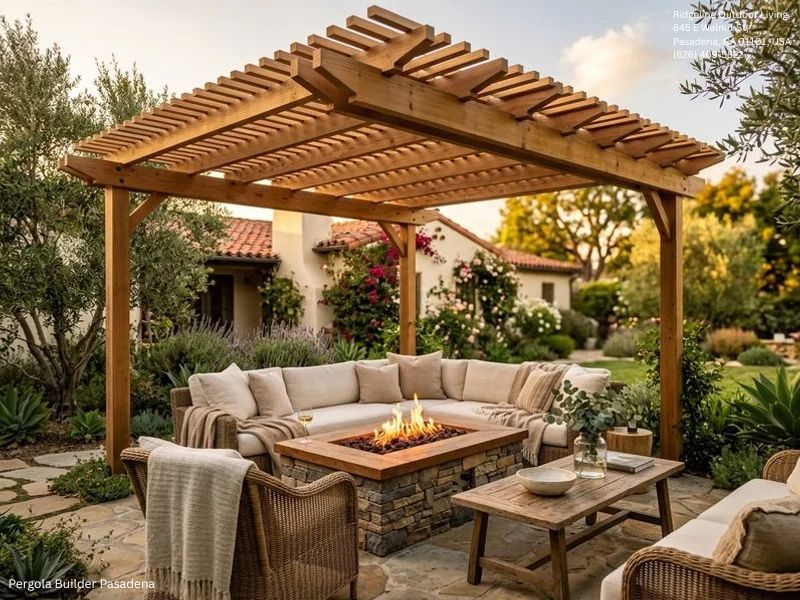
, and spatial structuring.
Sustainability in Design and Green Infrastructure
Sustainability stands as a key principle in current landscape architecture. Green infrastructure blends natural systems into metropolitan areas to manage stormwater, mitigate heat island effects, and foster biodiversity.
Primary methods encompass:- Environmental restoration for reviving indigenous habitats and soil conditionClimate adjustment techniques targeting harsh weather durabilityUtilization of sustainable materials in building and upkeepCreating habitats supporting wildlife corridors and pollinator spaces
These components aid in healthier ecosystems and sustainable city living, guaranteeing landscapes stay functional for future generations.
Integration of Native Flora and Biodiversity
Using indigenous plants boosts plant diversity while sustaining regional ecosystems. Natural planting methods replicate native habitats, lowering upkeep and watering requirements.
Preferred native species for modern gardens often involve landscape architect Pasadena CA drought-hardy plants promoting xeriscaping and pollinator visitation.- Best native bushes and ground covers adapted to multiple climatesBenefits of pollinator gardens supporting bees and butterfliesEstablishment of habitat pathways allowing wildlife transit
Highlighting native species promotes ecological harmony and enhances landscape beauty via variety and seasonal appeal.
Water Handling and Components
Efficient water administration is essential in up-to-date landscaping to address stormwater runoff and conserve resources. Incorporating water-sensitive design strengthens environmental impact and site functionality.
- Stormwater management techniques such as rain gardens and bioswalesUse of permeable pavements minimizing surface runoffSmart irrigation systems optimizing water useEco-friendly water features boosting ambiance and microclimate cooling
These techniques lessen flood risks, refill groundwater, and offer visual and auditory charm to outdoor spaces.
Urban Planning and Public Space Design
Modern landscape architecture plays a vital role in urban planning by designing public parks, community gardens, and green corridors that promote social engagement and environmental health.
Spatial organization strengthens walkability, supports urban forestry, and improves land use for multifunctional green spaces.
Enhancing Walkability and Bike Paths
Developing pedestrian-friendly and bike-accessible environments fosters healthy lifestyles and reduces traffic congestion. Key considerations include:
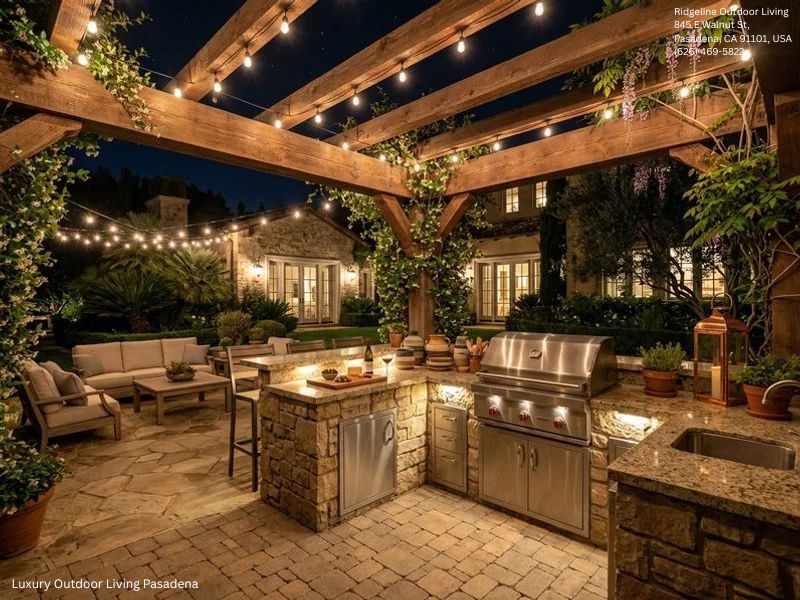
- Safe, connected bike paths and wide sidewalksShading structures such as trees and pergolas for comfortStrategic spatial organization enhancing flow and accessibility
These elements strengthen urban mobility and promote community interaction within green spaces.
Creating Multifunctional and Inclusive Spaces
Modern landscapes are developed to accommodate diverse activities and demographics, offering inclusivity and usability.
Features often feature outdoor furniture for leisure, adaptable open areas for events, and shading structures for comfort during sunny conditions.- Adjustable seating configurations and social gathering zonesLandscape aesthetic combining function with charmAccessibility design accommodating all age groups and abilities
This type of multifunctional spaces enhance community bonds and support continued use of public outdoor areas.
Innovative Materials and Techniques in Modern Landscaping
The use of innovative materials and construction techniques boosts resilience, sustainability, and beauty in landscape projects. These solutions also decrease environmental footprints.
Living Walls, Vertical Gardens, and Green Roofs
Vertical greening solutions expand green space in crowded cityscapes while providing ecological and aesthetic benefits.
- Living walls increase air quality and insulationGreen roofs lower stormwater runoff and lessen heat islandsEdible landscaping merges food production with garden design
These techniques illustrate how urban spaces can be hardscaping tips changed into productive and sustainable environments using natural materials and advanced irrigation systems.
Environmental Impact and Site Analysis
Extensive site analysis supports environmentally sensitive landscape design by evaluating soil conditions, topography, and existing microclimates.
Comprehending landscape ecology foundations directs decisions that reduce environmental impact and boost ecosystem services.- Soil improvement for nutritive, sustainable plantingStudy of microclimates to optimize plant selection and placementReview of potential environmental impacts to direct restoration efforts
A thorough site analysis ensures the design harmonizes with natural systems, supporting long-term landscape health and resilience.
New Directions and Innovations in Landscape Architecture
The advancing field of landscape architecture persistently adopts technology, sustainability, and community-centered design to safeguard urban and natural environments.
- Advanced irrigation using AI and sensor technologies for water efficiencyEnhanced use of renewable landscaping resources and materialsInnovations in sustainable urbanism combining green spaces with infrastructureLandscape art that conveys cultural narratives and environmental messagesClimate adaptation strategies customized for extreme weather resilience
These innovations enable professionals and communities to create dynamic landscapes that adapt to changing environmental and social needs.
Conclusion
Current landscape architecture concepts integrate ecological responsibility, innovative design, and community engagement to redefine how outdoor spaces perform and inspire. By incorporating sustainable design, native planting, efficient water management, and forward-thinking urban planning, designers can create landscapes that provide environmental benefits and elevate quality of life.
Regardless if you are a landscape architect, urban planner, student, or homeowner, comprehending these contemporary principles and techniques will enable you to create green spaces that are strong, multifunctional, and beautiful.To remain at the forefront of the evolving landscape architecture field, continue exploring emerging trends such as smart irrigation, vertical gardens, and climate adaptation solutions. Accept these concepts to contribute meaningfully to sustainable urban development and ecological restoration for years to come.Ridgeline Outdoor Living
Ridgeline Outdoor Living is a Pasadena-based landscape design-build company serving Greater Los Angeles with custom outdoor living, hardscape, and drought-tolerant landscape solutions. The company specializes in patios, retaining walls, outdoor kitchens, drainage, hillside projects, and turnkey landscape construction, handling projects from design and permitting through final build and warranty.
Address:
845 E Walnut St,
Pasadena,
CA
91101,
United States
Phone: (626) 469-5822
Map: View on Google Maps
Business Hours:
- Monday – Saturday: 8:00 AM – 6:00 PM
- Sunday: Closed
Follow Us: