Crafting a beautiful garden does not require heavy effort and expensive expenses. Low maintenance landscape design plans provide homeowners, busy professionals, and gardening beginners a eco-friendly way to experience lovely outdoor areas with low effort. By utilizing drought-tolerant plants, smart water management, and thoughtful hardscape features, you can establish an eco-friendly, cost-effective garden that growss year-round.
Introduction to Low Maintenance Landscape Design
Low maintenance landscaping offers multiple benefits, including reducing water consumption, saving time, and decreasing garden upkeep costs. Sustainable landscaping principles support the use of native and drought-resistant plants that grow well in your environment, enhancing an eco-friendly garden design. This approach not only saves resources but also creates resilient and attractive outdoor spaces that require less intervention throughout the seasons.
By applying soil amendment, proper plant selection, and efficient irrigation methods, low maintenance landscapes reduce the need for constant watering, fertilizing, and pruning. Whether you seek a serene retreat or a vibrant yard with seasonal color, these designs blend aesthetics with practical care requirements.
Planning Your Low Maintenance Landscape Design
Effective low-effort landscaping depends on meticulous planning. Conducting a site analysis permits you to know your garden’s climate, soil type, and sun exposure—important considerations for deciding on the appropriate plants and design elements. Proper soil amendment boosts structure and fertility, supporting vigorous plant growth without excessive watering or feeding.
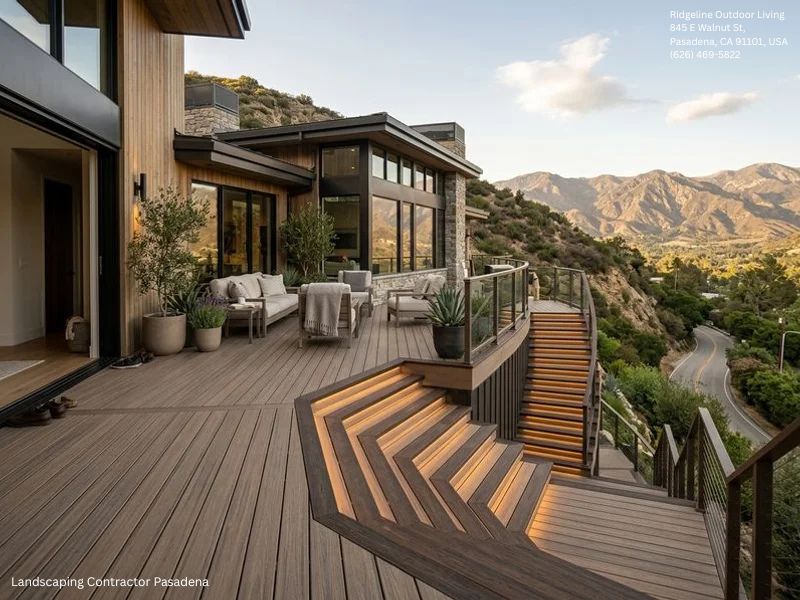
Plant zoning is a critical garden layout technique that organizes plants by similar water and light needs, easing maintenance and boosting plant health. Applying core garden design principles, such as balance, scale, and repetition, aids in creating a cohesive and visually pleasing landscape that continues to be manageable over time.
Assessing Climate and Soil Conditions
Knowing your local climate helps you to select drought-tolerant and water-efficient plants that prosper minus extra irrigation. Techniques like amending soil with organic matter enhance moisture retention and nutrient availability, lowering maintenance demands. Using native species adapted to your region additionally secures resilience against pests and harsh conditions.
Setting a Budget and Maintenance Goals
Establishing a clear budget assists prioritize cost-effective landscaping strategies, such as selecting long-lasting materials and plants that have minimal inputs. Setting maintenance goals—like reducing watering frequency or limiting pruning—directs your design decisions and secures your landscape is kept manageable and affordable over time.
Choosing the Right Plants for Low Maintenance Gardens
Plant selection is fundamental in minimal upkeep landscape design plans. Native plants and arid-resistant succulents use less moisture and resist diseases inherently. Ornamental grasses and evergreen shrubs offer year-round texture and color while needing scarce attention. Deer-resistant varieties safeguard your garden from wildlife destruction and lower replacement requirements.
Shade trees and shade-loving plants form cool, comfortable outdoor environments and can substantially lower irrigation needs. Perennial flowers offer seasonal interest without the need for annual replanting, while bird-friendly plants invite wildlife visitation and ecological balance.
Using Plant Grouping and Plant Zoning Techniques
- Arranging plants with similar water and light requirements improves irrigation efficiency and reduces stress on vegetation.Companion planting helps reduce pest problems naturally, cutting down on chemical use and maintenance effort.Zoning your garden into distinct areas based on maintenance needs organizes care schedules and improves overall organization.
Hardscape Elements That Reduce Maintenance
Integrating hardscape components like permeable pavers and gravel paths cuts down on water usage and avoids weed growth, minimizing upkeep work. Rock gardens and landscape boulders add visual interest while delivering natural drainage solutions. Stone pathways and patio stones construct durable surfaces that demand scarce maintenance.
Defining materials outline garden beds precisely, reducing grass overgrowth and making easier mowing. Outdoor seating areas and garden benches invite relaxation, while fire pit zones offer multipurpose gathering spaces that merge beauty with function.
Water Management Strategies
Successful water management is important in easy-care landscape design. Drip irrigation applies moisture accurately to plant roots, reducing waste and evaporation. Automated sprinkler systems together with irrigation timers help optimize watering schedules, saving water and lessening time.
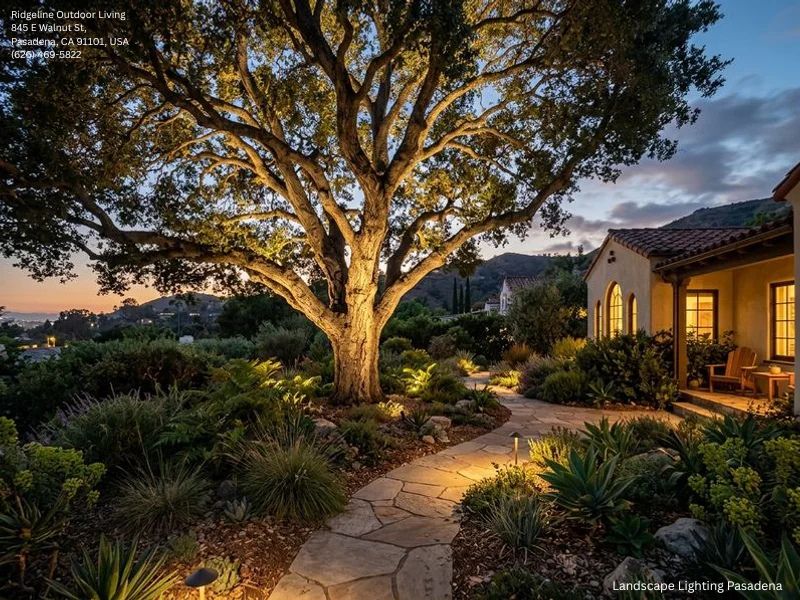
Rain gardens and bio-retention basins absorb runoff naturally, trapping pollutants local Pasadena landscaping pros and minimizing erosion. Retention basins also control excess water flow, supporting a sustainable and self-sufficient garden ecosystem.
Soil and Mulch Practices for Long-Term Garden Health
Using mulch types such as bark, wood chips, or stone safeguards the soil surface, maintains moisture, and suppresses weeds. Proper garden mulch application around plants encourages healthier root systems and lowers maintenance chores. Compost fertilizes the soil organically, delivering nutrients and nurturing beneficial microbes.
Using weed barrier fabrics or landscape fabric beneath mulch layers creates an extra defense against unwanted plants, substantially minimizing weeding time while allowing air hardscaping tips and water penetration for healthy soil conditions.
Lawn Alternatives and Ground Cover Options
Substituting traditional lawns with low-water turf varieties or ground cover plants reduces irrigation and mowing requirements. Popular lawn alternatives consist of gravel beds, decorative stones, or artificial turf, presenting resilient, tidy surfaces that require minimal care.
Choosing ground cover plants like creeping thyme or clover can provide greenery while naturally limiting weeds and enduring foot traffic, considering them perfect choices for pathways and open spaces.
Improving Your Landscape with Lighting and Decorative Features
Solar lighting provides energy-efficient illumination that boosts safety and ambiance without increasing electric bills. Landscape lighting accentuates key garden features, lengthens usable outdoor hours, and strengthens security.
Including trellis structures and garden art adds personality and vertical interest, while container gardening provides flexible planting options easy to maintain and replace. These decorative features perfect a low maintenance landscape by uniting practicality with aesthetic appeal.
Maintenance Tips for a Low Upkeep Landscape
- Follow a pruning schedule suited to slow-growing trees and shrubs to maintain shape without over-trimming.Regulate seasonal color using hardy perennial flowers that need little deadheading or replanting.Apply organic weed control strategies such as hand weeding, mulching, and using landscape fabric to reduce harmful chemicals.Regularly monitor irrigation systems and adapt timings according to seasonal needs to optimize water use.
Ridgeline Outdoor Living
Ridgeline Outdoor Living is a Pasadena-based landscape design-build company serving Greater Los Angeles with custom outdoor living, hardscape, and drought-tolerant landscape solutions. The company specializes in patios, retaining walls, outdoor kitchens, drainage, hillside projects, and turnkey landscape construction, handling projects from design and permitting through final build and warranty.
Address:
845 E Walnut St,
Pasadena,
CA
91101,
United States
Phone: (626) 469-5822
Map: View on Google Maps
Business Hours:
- Monday – Saturday: 8:00 AM – 6:00 PM
- Sunday: Closed
Follow Us: